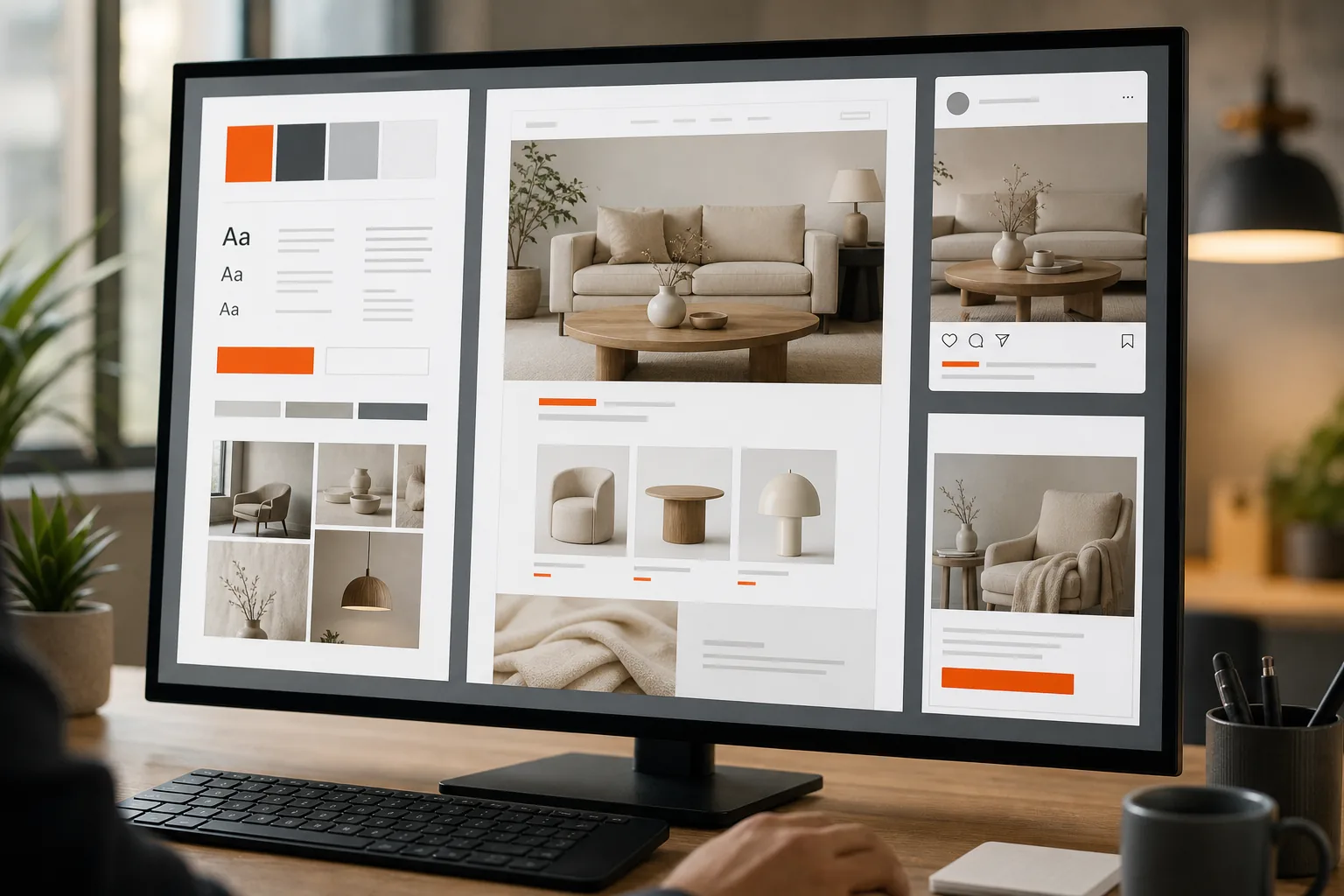
Running an ecommerce store means juggling product, ads, and design every day. A branding subscription lets you lock in a steady stream of creative work for one predictable monthly fee. Below is the step‑by‑step plan you need to get it right.
Step 1: Audit Your Ecommerce Brand Touchpoints
First, list every place a customer meets your brand, the website, social posts, email receipts, packaging, and paid ads. Then rate each against the positioning statement you want to own. A quick 1‑5 scorecard spots gaps fast.
Review the main parts of your brand experience across each touchpoint. A consistent presentation can help customers recognize your brand.
Grab a spreadsheet, create columns for “Channel”, “Current look”, “Score”, and “What’s missing”. Anything below a 3 needs a fix. By the end of this audit you should have a clear list of assets that are out of sync.
Step 2: Turn Brand Gaps Into a Clear Subscription Scope
Take the audit list and group the gaps by type: logo tweaks, ad‑creative refresh, email template redesign, product‑photo updates, etc. Then decide which of those can be handled month‑to‑month under a subscription.
Long Weekend bundles branding with performance ads and SEO, so you can combine visual work with traffic‑driving tactics in one contract. That makes budgeting simple and avoids the "one‑off‑project" trap many designers fall into.
For example, a store that needs new Instagram stories, Shopify banner images, and a refreshed checkout flow can put all three into one monthly plan, with a short performance check each week.
Step 3: Set Up the Briefing, Review, and Approval Workflow
Every request should start with a short brief that covers goal, audience, deadline, and required assets. Keep the template under 200 words so it’s easy to fill out.
Once the brief lands in the project board, route it to a single reviewer, typically the brand manager, for sign‑off. After approval, the designer moves the task to production, then to a “review” column where the marketer adds comments. Finally, the asset gets a green check and is saved in a shared folder.
This linear flow stops feedback from scattering across Slack, email, and design-tool comments. It also gives you a clear audit trail for each piece of creative.
Step 4: Apply the Brand System Across Your Store and Campaigns
With the style guide in hand, roll out the new assets to every channel. Start with high‑impact places: the homepage hero, product‑page banners, and paid‑social creatives.
Use the same color palette, typography, and logo placement rules everywhere. For Shopify stores, update the theme’s CSS variables so every new product automatically inherits the brand colors.
Don’t forget the post‑purchase experience, email receipts, shipment notifications, and packaging inserts should echo the same visual language. Consistency here builds trust and encourages repeat buys.
Step 5: Review Performance and Refine the Monthly Roadmap
Every month, pull the key metrics that matter to branding: click‑through rate on ad creatives, conversion rate on redesigned product pages, and email open rate on new templates. Compare them against the baseline you recorded before the subscription started.
If a new Instagram carousel lifts CTR, note the design choice behind it and test a similar element in the next batch. If it drops CTR, drop that element. If the checkout redesign boosts AOV, plan to extend that visual language to upsell pop‑ups.
Track cancellations and new starts for subscription-type ecommerce brands to understand whether the customer experience is retaining subscribers.
After each review, update the roadmap: add new asset types, adjust timelines, or shift budget toward the channels that moved the needle.
FAQ
What is a branding subscription?
A branding subscription is a monthly retainer where an agency provides ongoing design, brand‑strategy, and creative production services instead of one‑off projects.
How does a subscription differ from a traditional retainer?
A subscription sets a flat fee and clear deliverables each month, while a retainer often bills by hour and can have vague scope.
Can I pause a branding subscription?
Terms vary by agency, so check the contract. Long Weekend lets you pause, cancel, or resume your subscription anytime, so you stay flexible during low‑season periods.
What metrics should I track?
Watch CTR on ad creative, conversion rate on updated pages, email open rate, and AOV. For subscription‑based products, also track churn and net subscriber growth.
Do I need a separate SEO contract?
Not if you work with a full‑service partner like Long Weekend, which bundles SEO, PPC, and branding under one subscription.
Conclusion
Start with a quick brand audit, turn the findings into a scoped monthly plan, lock in a clear workflow, roll the new assets everywhere, then measure and tweak each month. Ready to lock in predictable creative costs? Get in touch with Long Weekend and we’ll sketch your first roadmap today.
Looking for the right digital marketing agency for your business — one that drives measurable ROI? Long Weekend helps service businesses, SaaS, ecommerce brands and more — grow with expert SEO, AI Search, Google Ads (PPC) management, paid social ads, website design, and more.